

-
About Qingfeng
-
-
-
Qingfeng, Shandong | The most easily overlooked problem of raising cattle in winter
Release time:
2021-12-24
Rocky licking brick ~ enhance maternal fertility, solve pica, solve afterbirth, alleviate heat and cold stress, improve feed conversion rate, improve immunity, reduce morbidity.

In winter, cattle often have epidemic infectious diseases, resulting in a large number of deaths. Here are the technical points of raising cattle in winter:
The influence of temperature on cattle is quite large, and the suitable temperature for cattle growth is between 5 degrees and 20 degrees. It is best to keep the cowshed at this temperature so that the cows grow faster. In winter, it is best to set up a plastic greenhouse to keep warm. The ground of the cattle house is best insulated and has the effect of cooling off. If cold air comes, the mat should be thickened. At the same time, some straw or something can be used to put on the cow in the form of clothes and put on the cow as clothes, which will also help it keep warm.
In winter, the most suitable humidity in the cowshed is about 65%, which is conducive to the growth and fattening of cattle. If the temperature is low and the humidity is high in winter, the cow body heat will be emitted and the body temperature will drop, which is not conducive to the growth of the cow. To ensure that the cattle house to maintain the appropriate humidity, it is necessary to ensure that the cattle house inside the health. Cow dung and cow urine should be cleaned frequently, and the bedding grass on the ground should be replaced in time. This can adjust the humidity inside the barn, but also to prevent the spread of disease.
Rocky Lick Brick~ Enhance the fertility of the mother animal, solve pica, solve the placenta,Relieve heat and cold stress, improve feed conversion rate, improve immunity and reduce morbidity.

In winter, it is not too single to feed rice straw to cattle. Some roughage should be configured or some soybean cake and wheat bran should be fed to provide more nutrition for cattle. However, it should be noted that when feeding straw, the whole root should not be used to feed the cattle. They should be crushed before feeding the cattle. The length of the straw is about 3cm, and the crushed straw is more palatable. The cattle eat well, grow fast and get fat quickly.
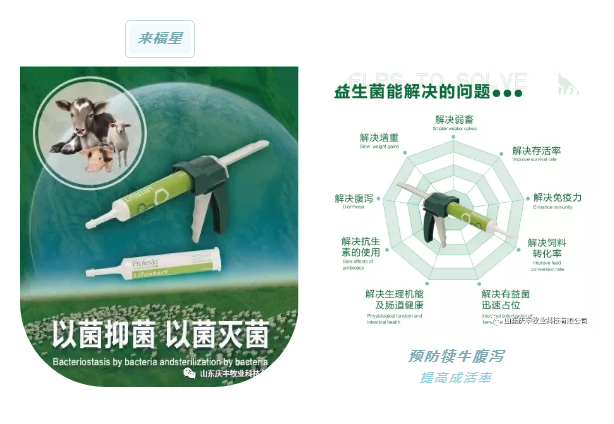
The food trough and sink in the cowshed often carry some bacteria. They should be cleaned frequently to eliminate these bacteria, but these methods are only simple disinfection. Cows must be vaccinated before winter. In addition to vaccination, the sanitation inside the cowshed must be cleaned regularly to keep it clean and dry. Also regularly use some disinfectant or quicklime to disinfect the cowshed. Cow dung contains a lot of bacteria. If it is not cleaned up in time, it will infect various diseases. These cow dung should be fermented together with other pollutants, and some drugs should be added to kill viruses, so as to reduce the spread of infectious diseases. To raise cattle in winter, the cowshed should be kept warm, and it is most appropriate to keep the temperature of the cowshed at about 15 degrees. There are also some warm facilities, such as building plastic greenhouses, such as straw on the ground. Like putting a straw coat on a cow. It is most appropriate to maintain the humidity of the barn at around 65%. Feed to cattle can not be too single, should add some roughage or something. The cattle were fed with crushed straw. The cattle house should be cleaned frequently and the sink and trough should be disinfected frequently. In addition to these work, before the winter, but also to give a vaccine to prevent the spread of the disease.
Raising cattle is raising rumen, rumen stick, cattle and sheep fat! In winter, because there is less green and juicy feed and the crude fiber in the roughage is too high, the rumen of cattle cannot completely absorb the nutrients in the feed, which affects the feed utilization rate and the nutrition balance of cattle. Therefore, it is necessary to increase the licking of licking bricks, supplement various trace elements required by cattle, increase feed intake, improve feed conversion rate, enhance body metabolism, improve immunity and improve immunity.

Share

Telephone:+86-0531-8712 3999 +86-151 6919 5199
Address of Marketing Department: Energy Saving Demonstration Building, Wolong Road, downtown Jinan City
Message feedback