

-
About Qingfeng
-
-
-
Shandong Qingfeng | Grasp the root to reduce the incidence of limb and hoof disease in dairy cows
Release time:
2021-12-22
Prevention is fundamental. Prevention is the fundamental solution to cow hoof disease. The control of cow hoof disease should be based on the principle of treatment and prevention. According to the condition of the cow's hoof, the cow's hoof can be bathed by protecting hoof. The depth of the hoof bath is about 8cm ~ 10cm, subject to flooding to the crown of the hoof. At the same time, we should also strengthen the health care of cattle hooves. We should not wait until the disease occurs before treatment. We should control the source of the disease, repair hooves of the whole group of cows, and control the development of hoof diseases.
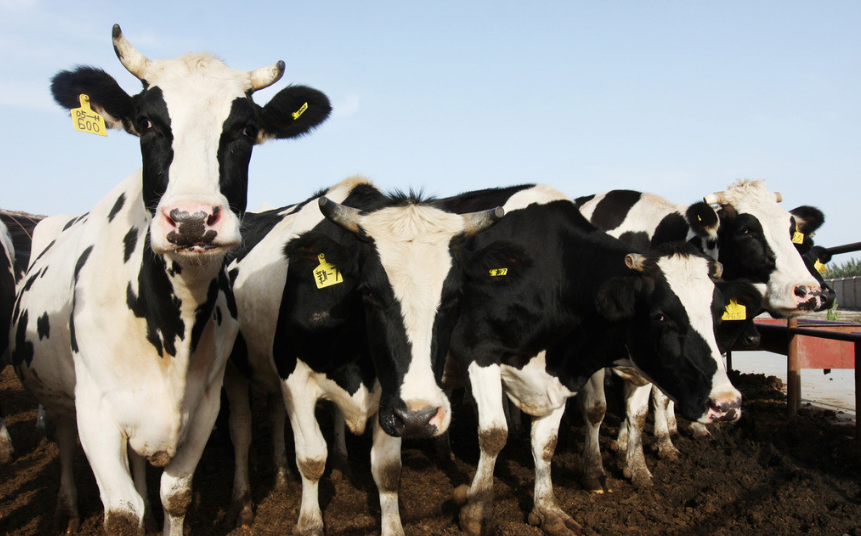
Cows in the feeding process will inevitably have the occurrence of cow limb hoof disease, why the cow limb hoof disease, why can cause cow lameness?To solve these problems, we must first solve the root of the problem.
1Check the ration of coarse and fine
First of all, it is necessary to check whether the proportion of refined coarse material in the dairy cow's diet is reasonable. If too much refined material is fed, it will have a negative impact on the rumen, and ammonia will be produced in the rumen, resulting in excessive rumen acidity and rumen acidosis.pHvalue below5.5It will lead to the occurrence of laminitis(Hoof leaf inflammation is divided into chronic, subacute and acute). Secondly, the proportion of calcium and phosphorus in the diet is also very important. Every100The maintenance amount of calcium required for kilograms of body weight is6grams, phosphorus4.5grams,per extrusion1Rising milk requires excretion of calcium4.5grams, phosphorus3g.
In the process of repairing hooves for cows, it is often found that the cuticle at the bottom of the hoof has powder, that is, powder hooves. This is because the cutin at the bottom of the hoof absorbs calcium and phosphorus in an unbalanced proportion, and the cutin is not completely calcified. It is very important to reasonably allocate the ratio of fine and coarse materials and nutrition in the diet, which can prevent the occurrence of limb hoof disease.

2Prevention is fundamental.
Prevention is the fundamental solution to cow hoof disease. The control of cow hoof disease should be based on the principle of treatment and prevention. Available according to cow hoof conditionHoovesHoof bath for cattle hoof, hoof bath solution about8cm~10Centimeters, subject to flooding to the crown of the hoof. At the same time, we should also strengthen the health care of cattle hooves. We should not wait until the disease occurs before treatment. We should control the source of the disease, repair hooves of the whole group of cows, and control the development of hoof diseases.
3Treatment of interdigital wart dermatitis
The accumulation of manure and mud in the sports field can lead to the occurrence of limb and hoof disease in dairy cows. Cow hooves often move in cow dung, and the dung stays between the toes. After fermentation, spirochetes and necrotic bacilli corrode the dermis between the toes, resulting in the occurrence of wart dermatitis between the toes, followed by secondary claudication. In a case like this, first of all, the cow's hoof should be trimmed, and the necrotic tissue between the toes should be completely removed with a sterilized scalpel or a hookknife, so as to see a fresh wound.3%of hydrogen peroxide to clean the wound surface,0.9%After repeated rinsing of physiological saline, potassium permanganate was used to stop bleeding and disinfect the wound. The medicine can be papain or tetracycline, which plays an anti-inflammatory role in the wound, and the loose oil can play a waterproof and anti-corrosion function when bandaging.
Cows with severe lameness with penicillin procaine on the local subcutaneous or acupoints were closed to control the spread of inflammation on the organization, reduce the exacerbation of the disease. Systemic medication can be used with sodium salicylate, urotropine and calcium gluconate, diluted with normal saline, appropriate medication according to body weight, intravenous injection, can play a preservative, anti-inflammatory, analgesic and rehydration effect. Care of the cows in a clean, dry environment,3Day~5Day to observe the sick cattle, dressing work, to prevent secondary infection.
4Other causes
Some hoof deformations, such as spiral hoof, long and wide hoof, and horizontal hoof, show that the load-bearing surface at the bottom of the hoof is unbalanced, the toe gap is too large, and the toe angle is too large or too small.(Normal toe angle is45Degree or so), abnormal movement, these are all related to genetic. Therefore, it is necessary to strengthen the selection of species, select some excellent bulls to improve the offspring, and gradually improve the health standards of limbs and hooves.
The humid climate also has a great influence on the limbs and hoof, generally6Month~9The incidence of hoof disease is on the high side, cows are prone to heat stress, resulting in a decline in feed intake, metabolic diseases also occur, and then the hoof cuticle is fragile, the white line division leads to double bottom. If the cow's hoof is not trimmed in time, a series of hoof diseases such as hoof heel ulcer will occur, and the appendages of hind limbs are also prone to skin tissue hardening, swelling and proliferation. Therefore, it is necessary to prevent heatstroke and cool down, reduce the fine feed in the diet, appropriately increase the content of crude fiber in the diet, and also add anion salt to reduce the heat stress response, promote metabolic absorption and reduce the incidence of hoof hoof hoof hoof hoof hoof hoof hoof hoof hoof disease.
Other diseases can also cause foot and limb disease. If the placenta of the cow is not left for a long time after delivery, the treatment is not timely, and the flocs in the uterus cause a large amount of gram-negative bacteria in the uterus to decompose and release endotoxin to act on the dermis of the hoof, resulting in microcirculation disorder of the hoof, ulceration of the hoof or injury of the hoof, thus causing lameness. The symptoms are split and shedding of the cuticle at the base of the hoof, exposing the dermal tissue at the base of the hoof. If infection occurs, local foul-smelling black pus flows out, and serious local dermis at the base of the hoof proliferates and ulcerates, forming granulation erosion, protruding outside the dermal surface, and causing hoof ball, hoof crown and local swelling, therefore, controlling the source of disease in dairy cows can control the incidence of hoof disease in dairy cows.
Share

Telephone:+86-0531-8712 3999 +86-151 6919 5199
Address of Marketing Department: Energy Saving Demonstration Building, Wolong Road, downtown Jinan City
Message feedback