

-
About Qingfeng
-
-
-
Qingfeng, Shandong | Causes, symptoms, prevention and treatment of calf dyspepsia
Release time:
2021-12-27
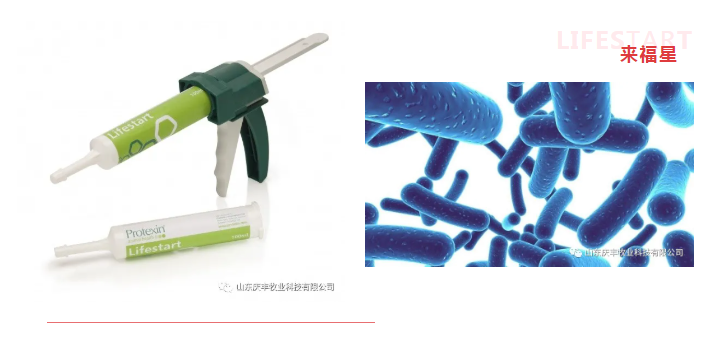
Leyuxing probiotics has won the Queen's Enterprise Award, the Queen's Foreign Trade Award and other national honorary awards for many times. Probiotic supplements are rich in beneficial microorganisms that provide highly absorbable energy to supplement colostrum and vitamins that effectively prevent diarrhea in calves. Probiotics efficacy: 1, the rapid reproduction of beneficial bacteria, occupation 2, improve the survival rate 3. Prevention of diarrhea 4, increase feed intake, increase weight
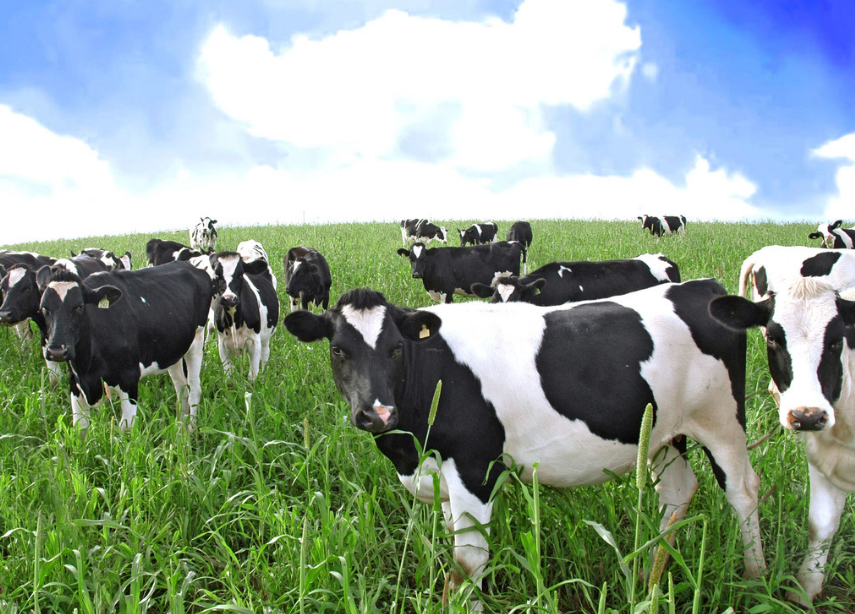
Calf digestive dysfunction is called dyspepsia, which is a gastrointestinal disease prone to calves during lactation. Calves will seriously affect the growth and development of the body after the disease, should be treated immediately. Therefore, it is necessary to identify the causes of the disease and take effective prevention and control measures. The following is our analysis of the causes, symptoms, and prevention and treatment of calf indigestion:
Generally speaking, calves usually have indigestion at the turn of spring, summer and autumn and winter. The age of onset is mainly after sucking colostrum or 1-2 days after output, and it gradually decreases when it is older than 2 days. Thus, the occurrence of indigestion in young animals is related to their fetal development and is closely related to the external environment. Through clinical investigation, it is found that if pregnant cows are fed with nutritious feed, the fetus in the body will not develop well, which is the congenital cause of dyspepsia in calves; improper feeding and management of newborn calves and lactating cows and poor sanitary conditions are the acquired causes of dyspepsia.
The mechanism of calf dyspepsia is more complex, which is related to its own gastrointestinal function characteristics to a large extent. In the first period of calves, the digestive organs in the body are not fully developed and the function is not perfect. At this time, the acidity of gastric juice is low, the enzyme activity is very weak, only has a very weak digestive ability, and the bactericidal effect is also poor; In addition, the intestinal mucosa is soft and prone to damage. In addition, the liver has a weak barrier effect and cannot neutralize most harmful substances, as a result, the stomach and intestines can only digest fresh colostrum and breast milk well, and have poor ability to digest other nutrients (feed). If the calf is stunted due to lack of nutrition in the fetal stage, or affected by various adverse factors, the breast milk or feed entering the gastrointestinal tract cannot be normally digested, thus forming an environment conducive to the reproduction of intestinal microbiota (mainly Escherichia coli, Salmonella, Streptococcus), and generating many incomplete decomposition products and fermentation products under the action of a large number of microorganisms, affecting the secretion, peristalsis and absorption of the intestinal tract, then diarrhea occurs. In addition, the above products and toxin blood to the liver, will cause the calf to show mental malaise and neurological symptoms, such as excitement, coma, lethargy, spasm and so on.
Prevention of Calf Diarrhea
Solve the weak livestock
Come to FuxingProbioticsHe has won the Queen's Enterprise Award, the Queen's Foreign Trade Award and other national honorary awards for many times. Probiotic supplements are rich in beneficial microorganisms that provide highly absorbable energy to supplement colostrum and vitamins that effectively prevent diarrhea in calves.
ProbioticsEfficacy:
1, the rapid reproduction of beneficial bacteria, occupation
2, improve the survival rate
3. Prevention of diarrhea
4, increase feed intake, increase weight

Simple dyspepsia. Calves are usually prone to occur at the age of 12 - 15 days, and their symptoms are usually mild. Clinically, they mainly show diarrhea (milk diarrhea), their mental state is acceptable or slightly sluggish, and they still have appetite or reduced food intake, but their body temperature does not rise, and there will be no systemic symptoms. The excrement is different, sometimes gray-white porridge, and often mixed with white congealing small pieces; sometimes green, brown, yellow porridge; sometimes watery, and will adhere to the hindquarters. The number of defecations has increased significantly, sometimes even as a water gun from the anus. The excrement generally does not emit moldy odor or abnormal stench, urine output is reduced, drinking water is increased, tongue color is usually ruddy, and smooth and moss-free. If the course of the disease lasts for a long time, it will lead to serious corruption of intestinal contents, resulting in self-poisoning or secondary enteritis, which will rapidly aggravate systemic symptoms.
Toxic indigestion. Sick cow body emaciation, diarrhea, discharge the foul odor feces, serious when mixed blood. The body temperature increased slightly, and the conjunctiva became congested. Rapid breathing, increased heartbeat, body tremor, and sometimes showed convulsions. Later, the nose, ear tips, and lower extremities were cold, fell into a coma, and eventually died.
symptomatic treatment
For indigestion caused by congenital causes, the feeding management of cows should be improved first to ensure that they are fed with balanced full-price compound feed, so that lactating calves can suck breast milk with higher nutritional level. For indigestion caused by acquired causes, the feeding environment and body surface hygiene should be improved first, and nursing should be strengthened, that is, the adverse factors in the house should be immediately eliminated, such as damp and cold in the enclosure, mutual congestion, poor air, accumulated feces, etc, create a comfortable living environment. While taking the above measures, the diseased cattle were treated with symptomatic treatment. In order to reduce the burden on the digestive tract, sick cows who still have appetite can be fasted for 12 h first, and only normal saline or compound normal saline with the same amount of lactation can be supplied, and 3-5 mL10% dilute hydrochloric acid can be added, and the temperature should be close to body temperature or slightly higher. Black tea can also be supplied, 250-500 mL each time, 2-3 times a day. In order to accelerate the recovery of the absorption function of gastrointestinal digestion, sick cattle can take digestive drugs, generally choose to use pepsin (preferably abomasum products), each dosage is 3-5g, added in an appropriate amount of 37 ℃ warm boiled water, completely dissolved after drinking, can also add a certain amount of complex vitamins, dilute hydrochloric acid, etc.; can also take the same amount of pepsin, amylase, pancreatin. If the conditions of the cattle farm permit, the sick cattle can take oral gastric juice, acidophilic bacteria milk, lysozyme and acidophilic bacteria broth culture, or take lactase. If the symptoms of sick cattle are serious, 1.0-2.o g furazolidone (furazolidone) or 6 g sulfamethoxazole and 20 g yeast tablets can be taken orally twice a day. And cooperate with intravenous injection of 250-500 mL 10% glucose, 5 mL O.5% hydrocortisone, 100 mL 5% sodium bicarbonate and 20 mL vitamin Bi once a day for 2-3 days; intravenous injection of 200 mL 0.9% saline, 100 mL 25% glucose, 100 mL 5% sodium bicarbonate, 50-100 mL 5% calcium chloride, 3.2 million -6.4 million IU penicillin, 5 mL 10% Anaga, once a day, 2-3 times a day.
Strengthen feeding management
Pregnant cows should strengthen feeding and management, especially in the late stage of pregnancy, they must be fed with nutritious diets, and ensure that they are matched with appropriate proportions of carbohydrate, fat and protein feed, and add a certain amount of vitamin and mineral feed. and timely exercise and appropriate light outside the house. Cows give birth, to undergo strict disinfection, and to avoid each other sucking umbilical cord calves lead to omphalitis. Calves should suck colostrum as soon as possible after production to improve body resistance. Improving hygiene conditions and feeding care measures. Change the bedding frequently and disinfect it regularly. When calves take artificial breastfeeding, they should ensure timing and quantity. If the dairy temperature is too low, they should be preheated first and are not suitable for premature feeding.
Share

Telephone:+86-0531-8712 3999 +86-151 6919 5199
Address of Marketing Department: Energy Saving Demonstration Building, Wolong Road, downtown Jinan City
Message feedback