

-
About Qingfeng
-
-
-
Shandong Qingfeng | late spring cold "season, what management should newly born calves do well
Release time:
2022-03-03
After the birth of calves, it is recommended to take the lucky star, the beneficial bacteria quickly occupy the space, regulate the intestinal health, improve the survival rate and prevent diarrhea. Try to let them eat colostrum within half an hour, because colostrum contains more maternal antibodies, which can enhance the resistance of calves to diseases. For weak calves, artificial breastfeeding is required until it can eat its own milk.

The climate is cold in winter, and the physique of newly born calves is weak. We must pay attention to strengthening feeding management and doing a good job of relevant nursing to make calves healthy through the winter. So, what management should be done to the calves born in winter? Let's take a look:
The suitable growth temperature for calves is between 15-20 degrees and the humidity is about 60%, while the temperature in winter is generally low, and the temperature in most areas is below 10 degrees, so wind and cold prevention measures should be taken in advance. Some gaps in the enclosure should be sealed and illuminated to prevent thieves from invading. At the same time, corresponding heating equipment can be placed. The padding should also be thick and dry. Once the padding is wet, it needs to be replaced in time. In addition, heating is important, but ventilation cannot be ignored. When the weather is clear, proper ventilation can be carried out.
After the calf is born, the delivery personnel should handle the umbilical cord in time. Under normal circumstances, the umbilical cord of the calf will be torn off naturally. When the umbilical cord is not torn off, the umbilical cord is cut off 6-8cm away from the abdomen with sterilized scissors, and iodine is used for disinfection. The umbilical cord does not need to be bandaged. A small buckle can be tied to allow it to fall off naturally. The mucus on the calf is good for the cow to lick clean, which can increase the feelings of mother and child. However, the mucus in the oral cavity and nasal cavity should be removed with a towel in time, and the soft hooves of the calf should be peeled off to help it stand.
After the birth of calves, it is recommended to take the lucky star, the beneficial bacteria quickly occupy the space, regulate the intestinal health, improve the survival rate and prevent diarrhea. Try to let them eat colostrum within half an hour, because colostrum contains more maternal antibodies, which can enhance the resistance of calves to diseases. For weak calves, artificial breastfeeding is required until it can eat its own milk.
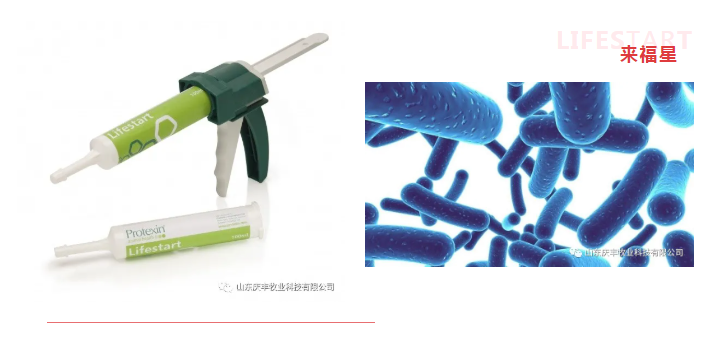
effectively improve the survival rate
effective controlDiarrhea
Activation of self-immunity
MCT Short Carbon Chain ~ ~ Fast Energy Supplement to Solve Weak Calves
After the calf is born, the enclosure should be kept clean. The cowshed should be cleaned frequently, disinfected regularly, cleaned frequently, observed frequently and changed mats frequently, so as to make the cowshed dry and clean. Cold water and warm water are strictly prohibited when washing.
Calves that eat colostrum generally have higher antibody levels in the body and are generally not easy to get sick. However, due to environmental effects such as temperature and humidity in winter, two common diseases of calves are colds and diarrhea (gastroenteritis).
Prevention and treatment of 1. cold
If calves are found to have elevated body temperature, runny nose, cold ears and nose, erect hair, trembling all over, mucus in the mouth, whitish tongue, rapid breathing and other symptoms, this is a typical cold symptom. Treatment can be done with the following methods:
① 60 grams of Sopshimono, 50 grams of Schizonepeta, 50 grams of mint, 50 grams of perilla, 40 grams of gypsum, 50 grams of ginger, 100 grams of green onion, decocted in water, 1 dose per day for 3 days.
② 2 million units of penicillin, 40 ml of beryl, injected intramuscularly once a day for 3 days.
Prevention and treatment of 2. diarrhea
If diarrhea is found, it is necessary to clean the gastrointestinal tract, protect the gastrointestinal mucosa, and treat it with antibacterial and anti-inflammatory treatment. In the initial stage, 30 grams of turmeric, 36 grams of honeysuckle, 28 grams of chebula, 18 grams of coptis, 18 grams of white peony, 15 grams of scutellaria baicalensis, 15 grams of phellodendron, 15 grams of dark plum and 15 grams of pomegranate peel can be used. If the effect is not obvious, antibacterial drugs should be applied.
① Intramuscular injection of 1 ml for every 10kg of body weight, twice a day for 3 days. Or intramuscular injection of diarrhea, 0.3 ml per kilogram of body weight, twice a day for 3 days.
② Oral administration of livestock and poultry Ning or sulfamidine 30 grams, TMP (antibacterial synergist) 6 grams, 30 grams of sodium bicarbonate, add appropriate amount of water, once oral, 2 times a day, for 3 days.
In short, after the birth of calves, pay attention to heat preservation, prevention and control of thieves, to create a warm, dry and clean health environment. The weather is warm, at noon, let the calves come out to bask in the sun. In the calf house, the mat should be changed frequently, the humidity should be controlled below 55%, and some plant ash or lime substances can be sprinkled to achieve disinfection and dehumidification effects.
Share

Telephone:+86-0531-8712 3999 +86-151 6919 5199
Address of Marketing Department: Energy Saving Demonstration Building, Wolong Road, downtown Jinan City
Message feedback