

-
About Qingfeng
-
-
-
Qingfeng, Shandong | Cold stress response and control measures of dairy cows
Release time:
2021-10-15
High incidence of nutritional metabolic diseases In winter, due to the single feed and the decline of the quality of roughage, the nutritional imbalance of dairy cow's diet is often caused, resulting in rumen acidosis, unobvious estrus, pregnancy rate decline, postpartum afterbirth, paralysis and so on.
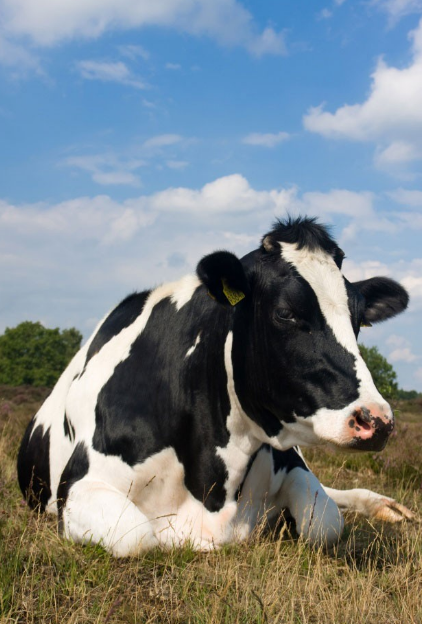
Cold, windy and other harsh winter weather will have a significant impact on the production performance and health of dairy cows. Poor management can reduce the milk yield of dairy cows, up to 30% ~ 40%. Some dairy cows will suffer from diseases and even frostbite. The mortality rate of newborn calves will increase greatly due to cold. In order to reduce the impact of severe cold winter on dairy production, cattle farms should strengthen cold and anti-freezing measures and strengthen feeding management.
The best production performance of dairy cows can be exerted when the ambient temperature is 8~20 ℃. When the ambient temperature is lower than 5 ℃, the cows will enter the state of cold stress with the decrease of temperature. In addition to low temperature and cold, wind speed, humidity, sunlight, nutrition, and cow physique are also important factors affecting the degree of cold stress on dairy cows. But the same low temperature conditions, the impact of cold stress on different herds is different.
Decreased humoral and cellular immunity in 1.1
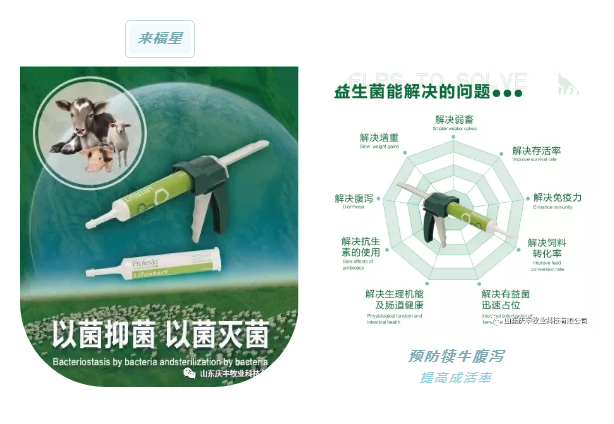
Cold stress can lead to reduced immunity in dairy cows, susceptible to infectious diseases, such as dairy cows cold, pneumonia, tuberculosis, tuberculosis, pasteurellois, paratyphoid fever into cattle andcalf diarrhea, mastitis, hoof leaf inflammation, etc. Therefore, this is also the reason why the disease is easy to spread in winter and early spring.Come to FuxingPrevention of diarrhea
Decline in 1.2 milk production
Low temperature can increase the feed intake of dairy cows, but the milk yield decreases, thus increasing the feed cost of the pasture and reducing the economic benefits.
1.3 High incidence of nutritional metabolic diseases
In winter, due to the single feed and the decline of the quality of roughage, the nutritional imbalance of dairy cow's diet is often caused, resulting in rumen acidosis, unobvious estrus, pregnancy rate decline, postpartum afterbirth, paralysis and so on.Rocky Lick Brick

High incidence of 1.4 mastitis
Cows cold stress can increase the incidence of mastitis, severe can cause nipple frostbite.
High incidence of 1.5 fracture and abortion
In cold winter, cattle barns, milking parlors or playgrounds are easy to freeze, and slippery roads can easily cause cows to fall, fractures, miscarriages, etc.
2.1 keep the cowshed warm and ventilated.
First of all, the technical requirements of winter insulation and ventilation of the cowshed must be considered when building and designing the cowshed. Suitable thermal insulation materials are used for the walls and top of the cowshed, and matching ventilation facilities are designed. In winter, it is necessary to solve the contradiction between heat preservation and ventilation, not only to keep heat preservation, but also to ensure the cleanliness, dryness and air circulation of the cow house. If the cowshed is not well ventilated, the humidity increases, and the concentration of harmful gases increases, it will endanger the health of cows. In order to keep the cattle house at a higher temperature, the fan can be opened at noon every day when the temperature is high. In winter, the cowshed should also prevent water pipes from leaking and keep the cowshed dry.
2.2 calves raised on "calf island"
In the cold season, the thickened mattress and the curtain of "Calf Island" are closed to prevent calves from being attacked by cold thieves. Prevents calves from colds, indigestion diarrhea and other complications, which can lead to death in severe cases. It is recommended that in winter, the calf should be dried with dry sawdust or dry cloth immediately after birth, and then put it next to the fire to slowly dry its coat. The bedding of the calf island is best to use double-layer, the bottom layer of dry sawdust can be used for moisture absorption, the upper layer with dry wheat straw, straw and other insulation.
2.3, when the sun is full at noon and the temperature is high, the cattle can be driven out of the barn, let them exercise and rest in the playground, and enjoy the winter sun, so as to promote the metabolism of dairy cows and increase milk production. The sun's ultraviolet rays can kill pathogenic bacteria on the body surface of cows, promote the production of vitamin D, increase calcium absorption and bone strength.
2.4 the advent of winter, to adjust the dairy cow diet formula, and strive to diversify. In terms of the supply of refined feed, the protein feed will remain unchanged, and the supply of corn will be increased by 20% ~ 30%, thus increasing the proportion of energy feed. In terms of coarse feed, it is best to feed high-energy feeds such as silage, high-quality alfalfa, high-quality Leymus chinensis, whole cottonseed or beer lees. Cows should also be prevented from eating rotten or frozen feed. In its feed to add the right amount of calcium and phosphorus, put in the cow nutrition licking brick to increase the intake of trace elements.
2.5 to ensure that the cow drinking water in winter, if the cow drinking water is insufficient, it will directly lead to the decline of the cow's milk production, causing gastrointestinal dysfunction. In winter, the drinking water temperature of dairy cows should be above 15 ℃, and the drinking water temperature of calves should be kept at about 35 ℃.
2.6 dairy farms usually adopt the mode of "winter with autumn birth". Therefore, most dairy cows are in pregnancy in winter, and poor feeding management is prone to abortion and stillbirth. In daily management, attention should be paid to avoid crowding and slipping of cows. It is strictly forbidden to hit cold whip, rush and turn, fall and other phenomena, so as to avoid trauma or abortion. In winter, it is necessary to keep the dairy sports field dry and remove the accumulated water to prevent the cows from lying on ice, ice water or snow. Strengthen the cow udder winter protection, prevent nipple frostbite or frostbite.
Share

Telephone:+86-0531-8712 3999 +86-151 6919 5199
Address of Marketing Department: Energy Saving Demonstration Building, Wolong Road, downtown Jinan City
Message feedback