

-
About Qingfeng
-
-
-
Shandong Qingfeng | What Problems Should We Pay Attention to in Dairy Cattle Breeding in Summer
Release time:
2021-07-28
Dairy cow is a dairy breed of yellow cattle, after a high degree of breeding of fine varieties, China's dairy cows are mainly black and white flowers, from the Shandong Provincial Bureau of Animal Husbandry cattle and sheep breeding base in 1980 began to introduce this breed, this breed has strong adaptability, wide distribution, high milk yield, resistance to rough feeding. Cows are resistant to cold and heat. When the temperature is higher than 27 ℃, or the temperature and humidity index (THI) exceeds 69 ℃, the cows show heat stress. Its specific characteristics are: thermal regulation dysfunction, physiological dysfunction, hormone balance damage, skin metabolism obstruction, material metabolism disorder in the body, shortness of breath, rapid heartbeat, body temperature rise, loss of appetite, weight loss, estrus mechanism disorder, pregnancy rate decline. At the same time, due to the impact on the health of dairy cows, the disease resistance is weakened, the growth of calves is slow, and the mortality rate is increased. Especially in the hot summer, it will lead to the reduction of milk production of lactating cows, which seriously restricts the development of dairy farming industry.

Dairy cow is a dairy breed of yellow cattle, after a high degree of breeding of fine varieties, China's dairy cows are mainly black and white flowers, from the Shandong Provincial Bureau of Animal Husbandry cattle and sheep breeding base in 1980 began to introduce this breed, this breed has strong adaptability, wide distribution, high milk yield, resistance to rough feeding. Cows are resistant to cold and heat. When the temperature is higher than 27 ℃, or the temperature and humidity index (THI) exceeds 69 ℃, the cows show heat stress. Its specific characteristics are: thermal regulation dysfunction, physiological dysfunction, hormone balance damage, skin metabolism obstruction, material metabolism disorder in the body, shortness of breath, rapid heartbeat, body temperature rise, loss of appetite, weight loss, estrus mechanism disorder, pregnancy rate decline. At the same time, due to the impact on the health of dairy cows, the disease resistance is weakened, the growth of calves is slow, and the mortality rate is increased. Especially in the hot summer, it will lead to the reduction of milk production of lactating cows, which seriously restricts the development of dairy farming industry.
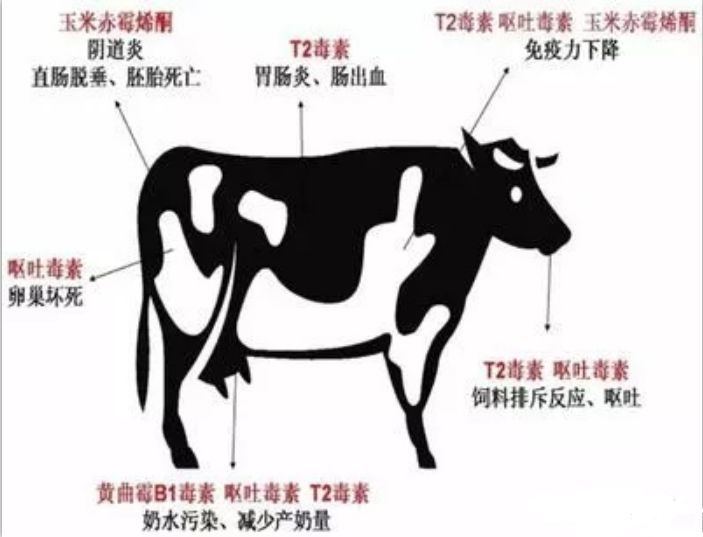
July and August are the hottest seasons of the year in our country. At this time, high temperature and humidity are serious challenges for both adult and pregnant cows. What should be paid attention to when raising cows in July and August?
Summarize the following points, I hope to help you.
In hot summer, the sun is scorching, and the cow's skin is thick and heavy, which is very unfavorable for cooling down. The body temperature regulation ability is relatively poor, and it is easy to get heatstroke. It is best to build a cowshed in a north-south direction to reduce the temperature inside the cowshed as much as possible, especially for lactating cows and cows waiting to give birth in the delivery room. Spraying and increasing fans to physically cool cows; Planting shade trees or building pergolas to avoid sun and rain for cows; Observe the situation of cows every day and solve problems in time.
The manure of the cattle house should be cleaned frequently to keep the environment clean and dry. The cow body is polluted by feces, urine and sewage, which not only affects the hygiene of milk, but also affects the normal metabolism of the cow body, which is not conducive to the distribution of heat and hinders the health of the cow body. During the period of heat stress, attention should be paid to keeping the cattle body and the surrounding environment clean and sanitary. At the same time, 1.0~1.5% of trichlorfon solution can be used to spray the barn and the surrounding environment to kill mosquitoes, flies and other pests, so that cows have a good rest environment and reduce the occurrence of heat stress in cows.
Water quality is unstable in summer (heavy rain in summer and unstable surface water). The heat stress of dairy cows occurs in the high temperature season in summer, and the water consumption of dairy cows is large due to the high temperature. If drinking water is insufficient, it will reduce appetite, slow digestion, affect milk production, and make the mucous membrane of the cow dry, reduce the ability of the cow to resist disease. The daily drinking water of dairy cows is supplied by 3 to 5 times of the daily milk yield. During the heat stress period, the water supply should be increased accordingly, and some salt should be added to the drinking water appropriately. Before feeding or milking, the body of the cow is scrubbed with cold water in order to reduce the body temperature and increase the feed intake and lactation of the cow.
Cattle are herbivores, mainly roughage. Due to the high crude fiber content in the feed, large feed intake and large heat consumption, the heat dissipation load is increased. Feed fermentation in rumen not only produces methane but also produces heat. Synthetic milk produces more heat. A cow with a daily lactation of 20kg has 50% more heat than a dry cow. The higher the milk yield, the more heat it produces. With the improvement of individual production performance, it is inevitable to increase feed intake and milk synthesis, which will lead to an increase in heat production, which is the reason why high-yield cattle in summer are more sensitive to heat stress and milk production decreases faster. Attention must be paid to the procurement and storage of forage feed, carefully check the freshness of corn, soybean meal, cottonseed meal, bran, etc. If any mildew is found in the feed, do not feed the cows, and supplement nutrition to the cows during the feeding process.

Supplemental potassium chloride. Generally, potassium chloride can be added to the drinking water of dairy cows or in the diet, and the amount is 60 to 80 grams per cow per day.
Vitamin supplements. In summer, 0.04~0.06 vitamin C can be added to dairy cow feed. Vitamin C can inhibit the rise of body temperature, promote appetite and improve disease resistance. At the same time, 3 to 5 times the normal amount of vitamin E can be added to the feed to reduce the probability of heat stress in dairy cows. Vitamin E can prevent the oxidation and destruction of fat in dairy cows, prevent the generation of oxides in the body, prevent other vitamins from being oxidized, and promote the absorption of vitamin A and vitamin D in the intestinal tract.
Supplement sodium bicarbonate. The amount of sodium bicarbonate is typically 3.84 percent of the concentrate or 340 grams per cow per day. It is better to use it at the same time as citric acid, but it should be noted that the amount of salt should be appropriately reduced when using sodium bicarbonate.
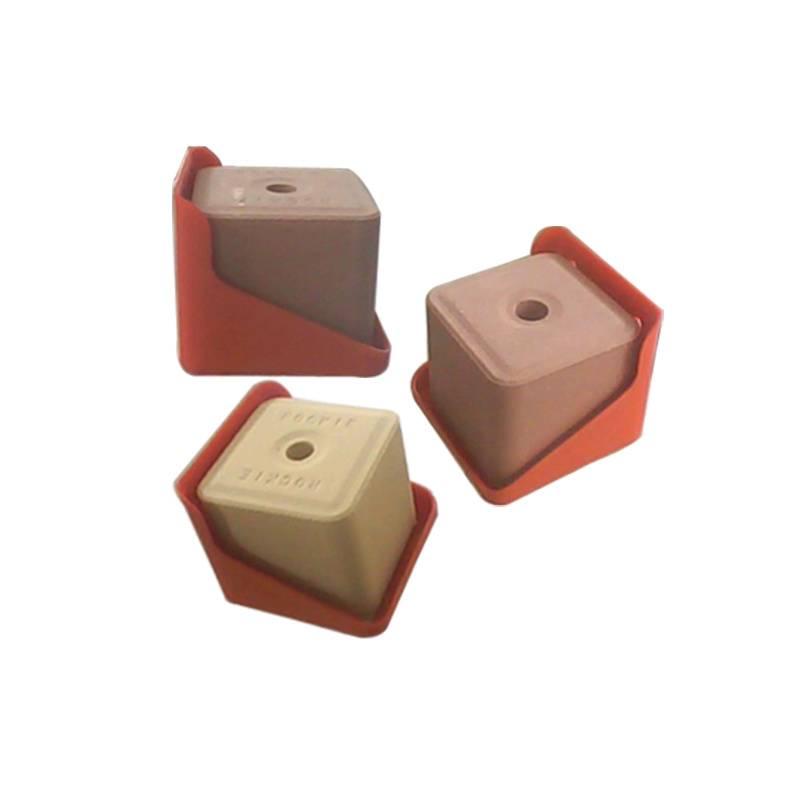
Supplementary feeding grass powder to increase fat. Use a hammer mill to crush the straw to grow about 2cm. If the sieve bottom is too fine, it should be replaced with a large mesh sieve with a pore size of 1~2cm. Mix the grass powder with warm water at 30 ℃ ~ 40 ℃, knead it into a ball with your hands, loosen your hands, pile it into a 40cm thick square pile, cover it with sack pieces for fermentation, the temperature in the pile reaches 40 ℃ ~ 50 ℃, and feed it when you smell the fragrance. Fermented grass powder should be diluted and cooled to prevent excessive temperature from rotting and deteriorating. Calves cannot be fed grass meal. Every 100kg of fermented grass powder can be fattened by adding 1kg of salt, 0.5kg of bone meal, 30kg of corn flour or nutritional grass powder such as bran and bean dregs.
In addition, the summer cows lose appetite, to adjust the feeding time. In the morning and at night, the ambient temperature is relatively cool. At this time, the cow has a better appetite and can eat more food. It can also appropriately increase the number of feeding, maintain the supply of fresh green feed, melons, aquatic plants and other juicy feed, can also be part of the concentrate mixed into porridge feeding, in order to improve the palatability of dairy cows, increase feed intake, facilitate the heat distribution and water supplement of dairy cows during heat stress.
Share

Telephone:+86-0531-8712 3999 +86-151 6919 5199
Address of Marketing Department: Energy Saving Demonstration Building, Wolong Road, downtown Jinan City
Message feedback