

-
About Qingfeng
-
-
-
Factors Affecting Fecundity of Sheep and Countermeasures
Release time:
2021-05-19
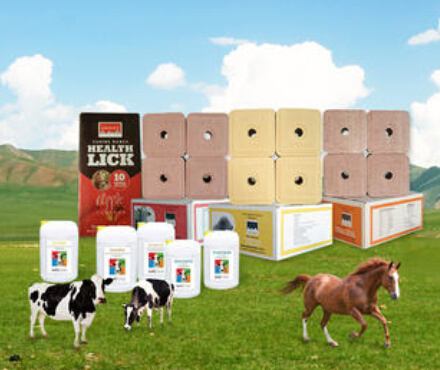
Phosphorus rich lodge is a balanced formula of mineral lick brick. High phosphorus and high calcium promote strong bone growth. This kind of licking brick can also be used as a supplement to low phosphorus forage. Low phosphorus in the feed results in low conception rates and high re-mating rates.
In sheep breeding, sheep breeding is a very important item, and the fecundity of sheep directly affects the efficiency of sheep raising. Therefore, many farmers rely on improving the fecundity of sheep to achieve efficiency and wealth.
1. factors affecting fecundity
1, genetic
We know that there are some differences in the fecundity of different breeds of sheep. Sheep raised in the pastoral areas of northern China produce 1 lamb per year, while Hu sheep and Han sheep can produce 2 births per year or 3 births per year, and double lambs are also more common, with as many as 3 to 4 lambs per litter. However, the fecundity of different breeds of goats also has some differences. For example, gray goats are more than l times higher than white goats and black goats. The differences in fecundity of different varieties are the result of natural selection and long-term artificial selection.
2. Nutrition
The nutritional conditions contained in the diet have a great influence on the fecundity of sheep. A large number of production practices have proved that strengthening breeding is an effective measure to improve the fecundity of sheep. In order to improve the ovulation rate of the ewe, short-term excellent feeding should be carried out 2 to 3 weeks before the breeding of the sheep, so as to improve the ovulation rate of the estrus ewe.
During the gestation period of the sheep, the body weight of the ewe should increase by 10% ~ 15%, and the increase is generally increased in the late gestation ewe. If the ewe is poorly fed and poorly nourished, this will greatly reduce the number of ovulation of the ewe, thus affecting the conception rate and lambing rate of the sheep.
Phosphorus-rich Rockyis a balanced formula of mineral lick brick. High phosphorus and high calcium promote strong bone growth. This kindLick brickIt can also be used as a supplement to low phosphorus forage. Low phosphorus in the feed results in low conception rates and high re-mating rates.

3. Temperature
When the summer weather is hot, due to the high temperature, some breeds of rams have complete infertility or reduced fecundity. Rams are mainly manifested in low ejaculation, low sperm count, low sperm motility, abnormal sperm or dead sperm. The proportion increases. The effect of temperature on goats was small, while the effect on sheep was large. For example, Kolidai sheep and Lincoln sheep will increase the number of dead sperm when the outside temperature reaches 30~34 from July to August in summer.
4. Age
The lambing rate of ewes generally increases with age, and the fecundity of ewes is the highest when they are 3 to 6 years old. Ram fecundity is generally in the 5~6 years of age when the peak. The male and female sheep decreased their fecundity from 6 to 7 years old.
2. Countermeasures to Improve the Fecundity of Sheep
1, carefully fed
The effect of nutritional conditions on the fecundity of sheep is obvious. To this end, the year to grasp the sheep fat not only can make the ewe neatly, but also can improve the number of ovulation sheep. Therefore, short-term optimal feeding should be adopted for ewes before breeding to increase the number of ovulation and improve the double lamb rate. At the same time, the level of nutrition of the breeding ram also has an important influence on the conception rate, lambing rate, birth weight and weaning weight of the sheep. To this end,One of the important measures to improve the fecundity of sheep is to improve the nutritional conditions of sheep and to supplement the Rocky licking bricks..
△Rocky.The series of nutritious licking bricks are rich in mineral trace elements such as "phosphorus, calcium, zinc, magnesium, iron, cobalt, iodine, manganese, selenium, sodium" and so on. They are freely supplemented for individual ruminants in the group, and finally achieve the balance of micro-minerals in the group, improve the feed conversion rate, solve pica, and bring sustainable health to ruminants.
2, in the flock to increase the proportion of school-age ewes
In the flock, the proportion of school-age ewes in the flock should reach more than 60%, which is an effective and important measure to improve the fecundity of sheep. Reasonably increasing the proportion of school-age ewes and increasing the number of school-age ewes will significantly improve the fecundity of sheep, increase the number of sheep, and improve economic benefits. At the same time, the aged ewes over 6 years old in the flock were eliminated in time. At the same time, the reserve ewes are replenished so that the number of ewes in the flock is always maintained at a suitable ratio.
3, pay attention to choose to keep more lambs to grow sheep
The number of ewe lambing is closely related to the genetic performance of the sheep. Practice has proved that the selection of the offspring of the breeding ewes with a high rate of double lambs will significantly increase the probability of double lambs produced by their offspring, which will also play a certain role in improving the fecundity of the flock.
4, timely elimination of infertile sheep
To check the unpregnant ewes at the right age, we must find out the cause of infertility and solve it in time. For the ewes who are still infertile after entering the second year, they need to be eliminated. This is because the first year of mating after infertility ewes, in the subsequent mating period of infertility is also higher. Ewes who give birth to dead lambs in their first birth also give birth to a higher proportion of dead lambs in later births.
In recent years, with the continuous progress of science and technology and the popularization and application of artificial insemination, superovulation and embryo transfer technology, a new way has been created to accelerate the improvement of sheep's fecundity.
Share

Telephone:+86-0531-8712 3999 +86-151 6919 5199
Address of Marketing Department: Energy Saving Demonstration Building, Wolong Road, downtown Jinan City
Message feedback